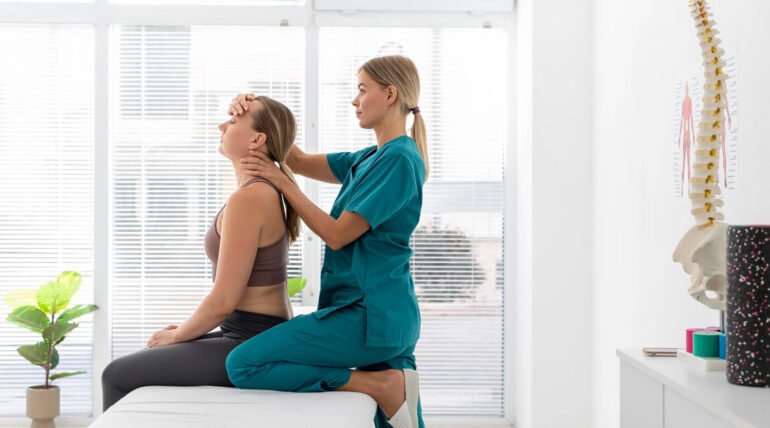
The Long-Term Effects of Stretching on Flexibility and Muscle Function

Stretching has long been used by athletes, rehabilitation professionals, and the general population to enhance flexibility and prevent injury. This article reviews the long-term effects of consistent stretching on joint range of motion (ROM) and muscle function, summarizing key findings from

Read More

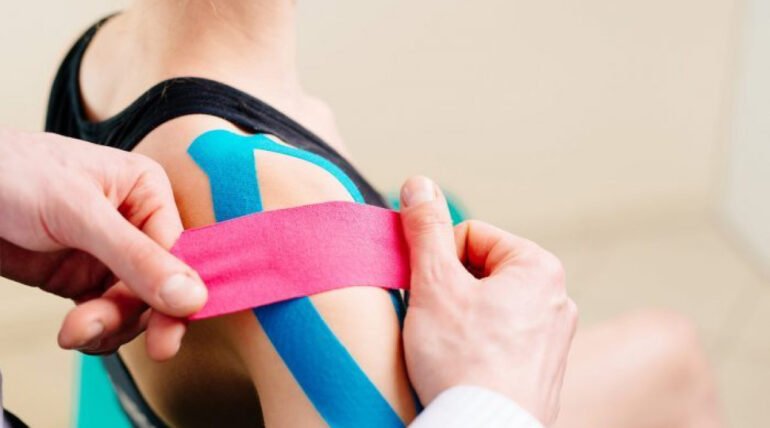
The Use of Kinesiotaping for Chronic Lateral Epicondylitis

Chronic lateral epicondylitis (commonly known as “tennis elbow”) is a repetitive-strain injury of the forearm extensor origin that causes pain and limits function. This article presents evidence for the use of kinesiotaping (KT) combined with exercise and activity modification to reduce

Read More

The Role of Active Rehabilitation in Functional Recovery and Pain Management

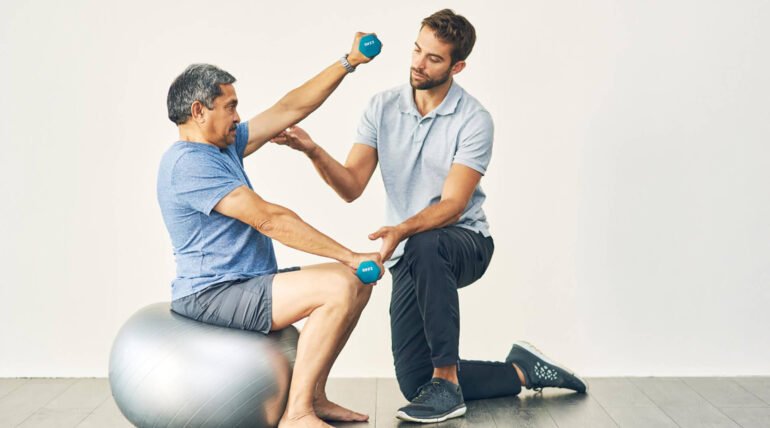
Active rehabilitation (Active Rehab) is a structured, movement-based approach to recovery that emphasizes patient participation through controlled exercises, progressive loading, and functional training. Unlike passive treatments that rely on external interventions, active rehab focuses on rebuilding strength, restoring movement control, and

Read More

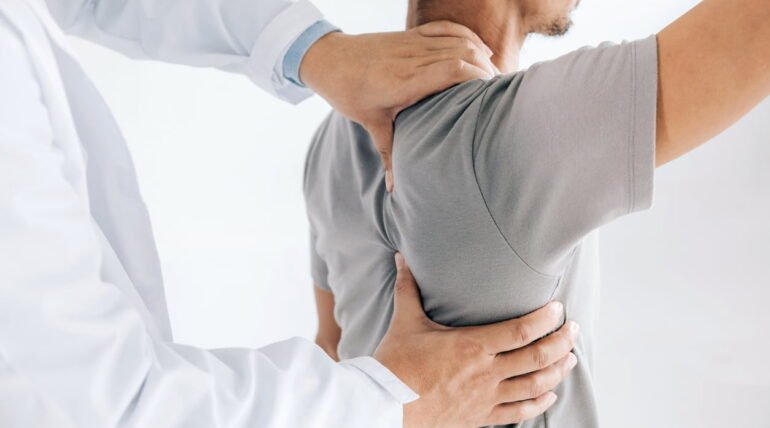
The Role of Joint Mobilization in Restoring Mobility and Reducing Pain

Joint mobilization is a manual therapy technique commonly used by physiotherapists to restore movement, reduce stiffness, and alleviate pain in restricted joints. By applying controlled, graded oscillatory or sustained movements to the joint, mobilization helps improve arthrokinematics, stimulate mechanoreceptors, and promote

Read More

The Combined Role of Rehabilitation and Kinesiotaping in Post-Accident Recovery

Accidents often result in musculoskeletal injuries, leading to pain, stiffness, swelling, and reduced function. Early and structured rehabilitation, combined with supportive techniques such as kinesiotaping, plays a crucial role in restoring mobility and promoting healing. This article explores how integrating kinesiotaping

Read More