
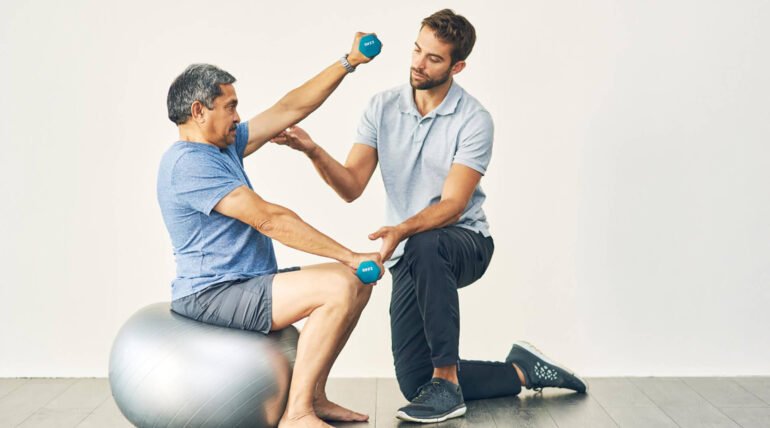
Accidents often result in musculoskeletal injuries, leading to pain, stiffness, swelling, and reduced function. Early and structured rehabilitation, combined with supportive techniques such as kinesiotaping, plays a crucial role in restoring mobility and promoting healing. This article explores how integrating kinesiotaping within a guided rehabilitation program enhances recovery, reduces pain, and supports a safe return to daily activity or sport.
Introduction
After an accident—whether from a fall, vehicle collision, or sports injury—many individuals experience joint, muscle, or soft tissue damage. These injuries not only cause physical pain but also affect strength, flexibility, and confidence in movement. While rest is essential initially, prolonged inactivity can delay recovery. Modern rehabilitation focuses on active recovery supported by techniques like kinesiotaping, which aid the healing process without restricting movement.
The Importance of Rehabilitation After an Accident
Rehabilitation aims to help the body regain its pre-injury strength, coordination, and function. A comprehensive rehab plan typically includes:
- Pain management: Using gentle movements, stretching, and modalities to relieve discomfort.
- Restoring mobility: Gradual exercises improve joint flexibility and muscle balance.
- Strength rebuilding: Progressive loading helps prevent muscle wasting and re-injury.
- Functional retraining: Relearning movement patterns to safely perform daily or work-related tasks.
Active rehabilitation also promotes psychological recovery, rebuilding confidence and independence after trauma.
How Kinesiotaping Supports Recovery
Kinesiotaping (KT) involves applying elastic therapeutic tape to the skin to support injured tissues while allowing free movement. When used correctly, it offers multiple benefits:
- Pain Relief: KT stimulates skin receptors and reduces pressure on pain-sensitive structures.
- Swelling Control: Its lifting effect on the skin enhances lymphatic drainage, reducing inflammation.
- Muscle Support: Helps activate weak muscles or relax overused ones, improving joint stability.
- Postural Correction: Provides feedback that encourages better alignment and movement patterns.
- Confidence in Movement: Patients often report feeling more secure and supported while performing exercises or daily activities.
Combined Approach: Active Rehab + Kinesiotaping
When kinesiotaping is integrated into an active rehabilitation program, it provides both mechanical and neurological support. For example:
- After a shoulder or knee injury, KT can stabilize the joint, allowing earlier movement with less pain.
- Following a whiplash or back injury, taping can relieve muscle tension while exercises restore posture and strength.
- During return-to-sport or work training, KT offers protection against strain, improving performance confidence.
This combination ensures that healing tissues are protected while still being challenged through progressive movement — a balance that accelerates recovery and prevents chronic stiffness.
Conclusion
Rehabilitation and kinesiotaping together form a powerful, evidence-based approach to post-accident recovery. Rehabilitation restores strength, function, and confidence through guided exercise, while kinesiotaping provides additional support for pain relief and stability. When applied by trained professionals, this combined method not only speeds up physical healing but also promotes long-term resilience, helping patients return to their normal routines faster and safer.
Moving the goalposts sorry i was triple muted, so what do you feel you would bring to the table if you were hired for this position. A better understanding
Neque porro est qui dolorem ipsum quia quaed inventor veritatis et quasi architecto beatae vitae dicta sunt explicabo. Aelltes port lacus quis enim var