
Active rehabilitation (Active Rehab) is a structured, movement-based approach to recovery that emphasizes patient participation through controlled exercises, progressive loading, and functional training. Unlike passive treatments that rely on external interventions, active rehab focuses on rebuilding strength, restoring movement control, and promoting long-term self-management. This article explores the principles, benefits, and clinical applications of active rehabilitation in musculoskeletal recovery and chronic pain management.
Introduction
Musculoskeletal injuries, post-surgical recovery, and chronic pain conditions often result in reduced mobility, muscle weakness, and impaired function. Traditional rehabilitation methods have included rest, manual therapy, and passive modalities such as heat, ultrasound, or massage. However, evidence increasingly supports active rehabilitation as a superior method for restoring strength and mobility while preventing recurrence. Active rehab empowers patients to take an active role in their recovery through guided exercises, movement education, and gradual return-to-activity strategies.
Principles of Active Rehabilitation
Active rehabilitation programs are based on a few key principles:
- Patient Engagement: Recovery depends on the individual’s consistent participation and adherence to exercise protocols.
- Progressive Loading: Exercises are introduced gradually to stimulate tissue healing and improve neuromuscular control without overloading the injured area.
- Functional Movement: Focus on movements and exercises that replicate real-life tasks to restore practical strength and coordination.
- Education and Self-Management: Patients learn proper movement patterns, posture correction, and injury-prevention strategies.
Benefits of Active Rehabilitation
Research has shown that active rehab offers several significant advantages over passive treatments:
- Improved Strength and Endurance: Regular exercise restores muscle function and joint stability.
- Enhanced Range of Motion: Controlled movement prevents stiffness and promotes flexibility.
- Pain Reduction: Strengthening and mobility exercises improve circulation and reduce mechanical stress, helping to decrease chronic pain.
- Faster Functional Recovery: Encouraging early movement accelerates return to daily activities and sports.
- Psychological Benefits: Patient involvement improves confidence, motivation, and long-term compliance.
Applications in Clinical Practice
Active rehabilitation is widely used in:
- Post-Injury Recovery: For sprains, fractures, or ligament injuries, active exercises help rebuild tissue tolerance.
- Post-Surgical Rehab: Gradual exercise progression supports safe healing and reduces complications.
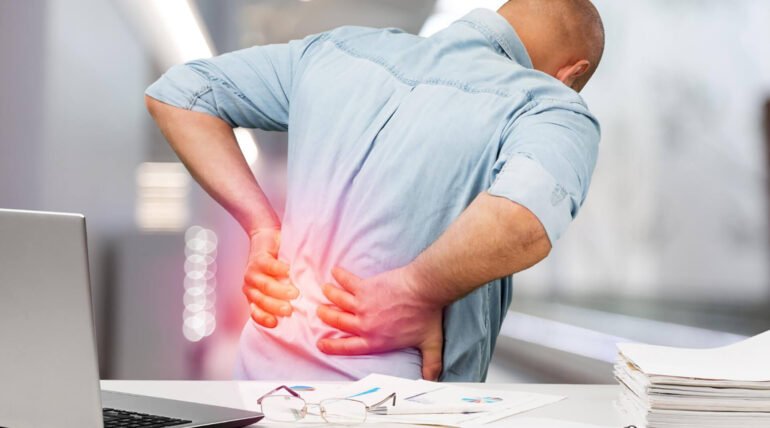
- Chronic Pain Conditions: Programs target deconditioning and fear-avoidance behaviors common in chronic low back or shoulder pain.
- Neurological and Functional Disorders: Active movement retraining assists in regaining motor control and coordination.
Conclusion
Active rehabilitation represents a shift from passive recovery to patient-driven healing. By emphasizing movement, strength, and self-management, it not only restores physical function but also fosters long-term resilience and independence. Whether applied in sports injury, post-operative recovery, or chronic pain management, active rehab remains a cornerstone of modern evidence-based physiotherapy.
Moving the goalposts sorry i was triple muted, so what do you feel you would bring to the table if you were hired for this position. A better understanding
Neque porro est qui dolorem ipsum quia quaed inventor veritatis et quasi architecto beatae vitae dicta sunt explicabo. Aelltes port lacus quis enim var